MASTERCLASS Sustainable Fashion Technologies - Scuola di Calascio
Course Structure
Two 1-week modules (5 days + presentation day):
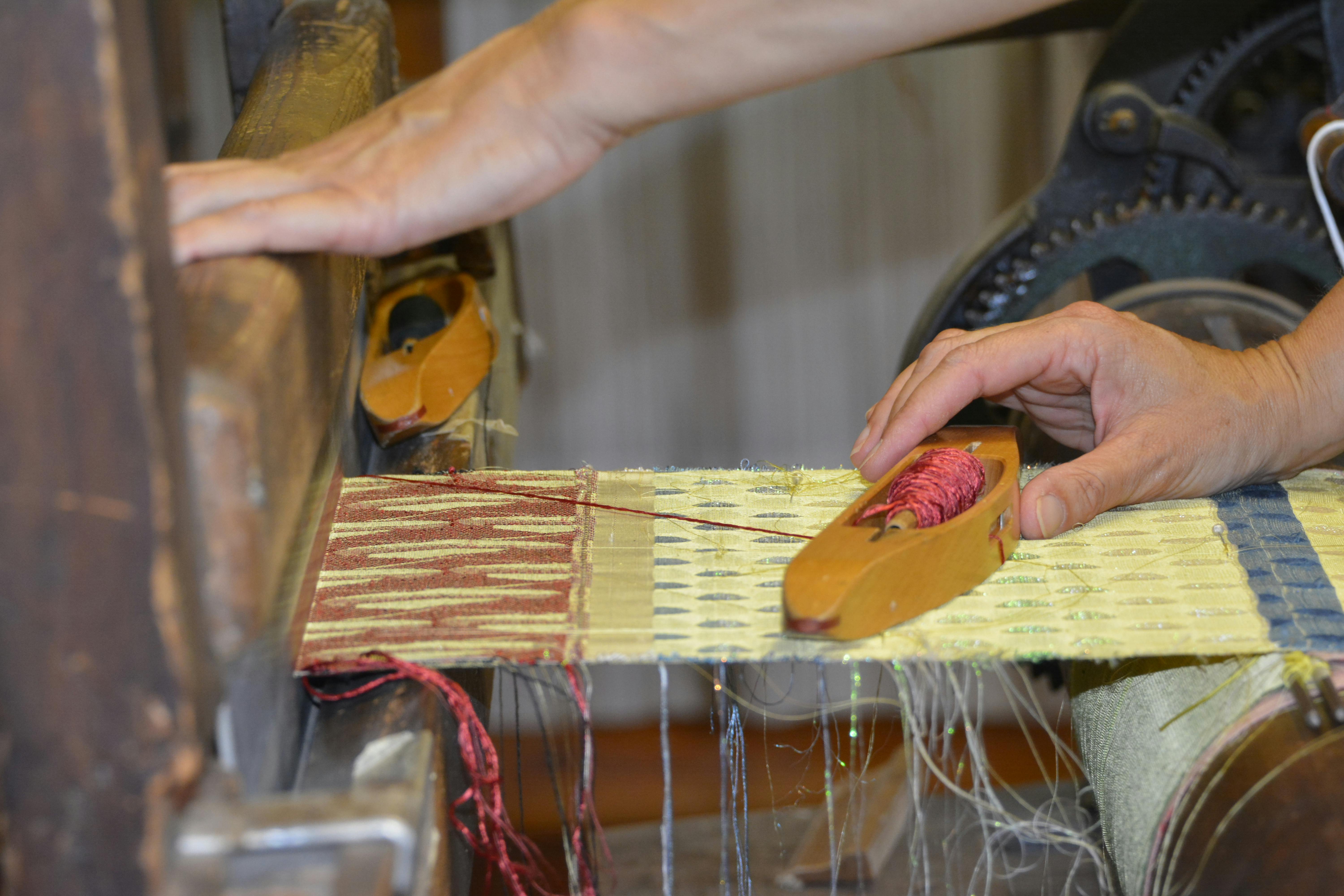
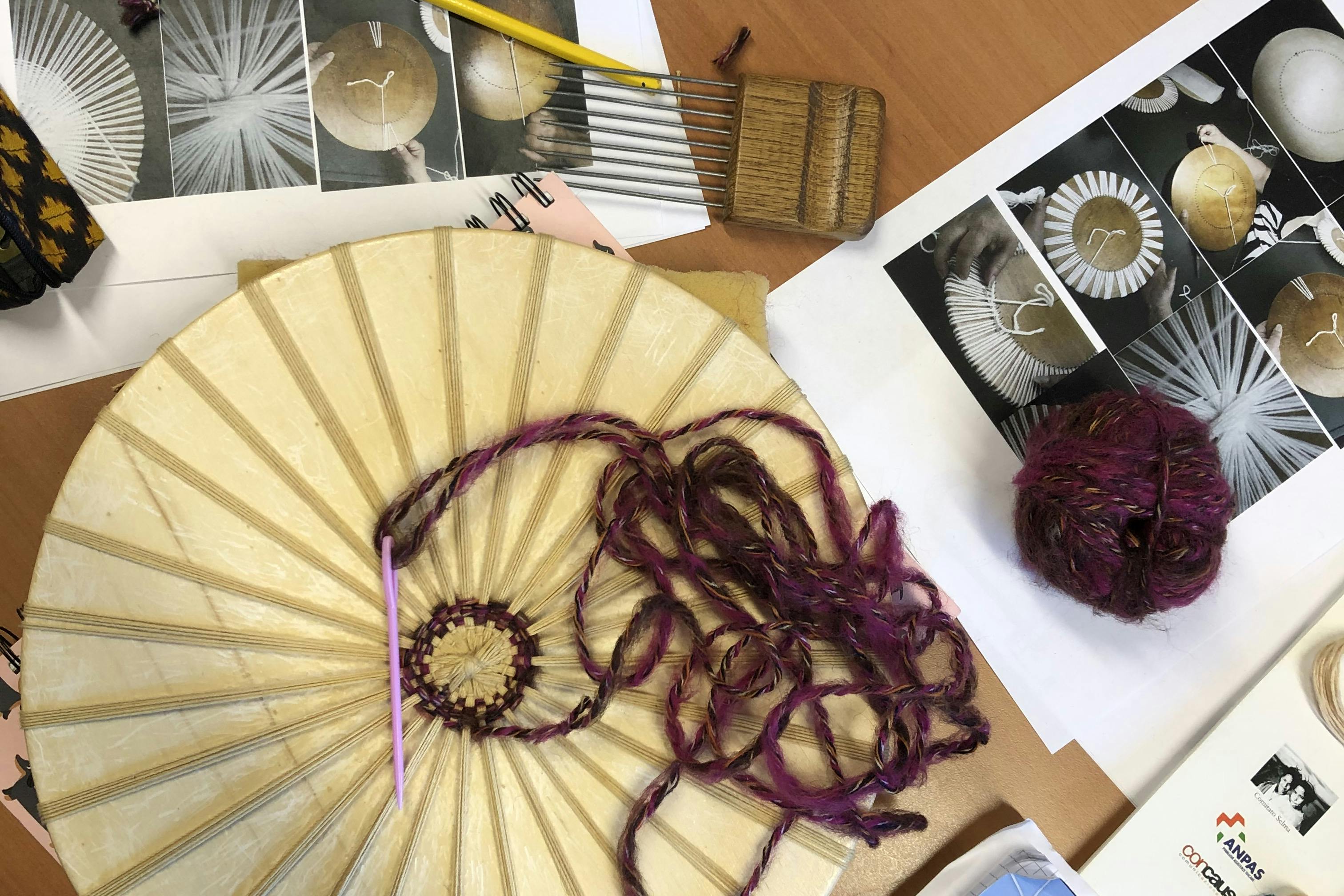
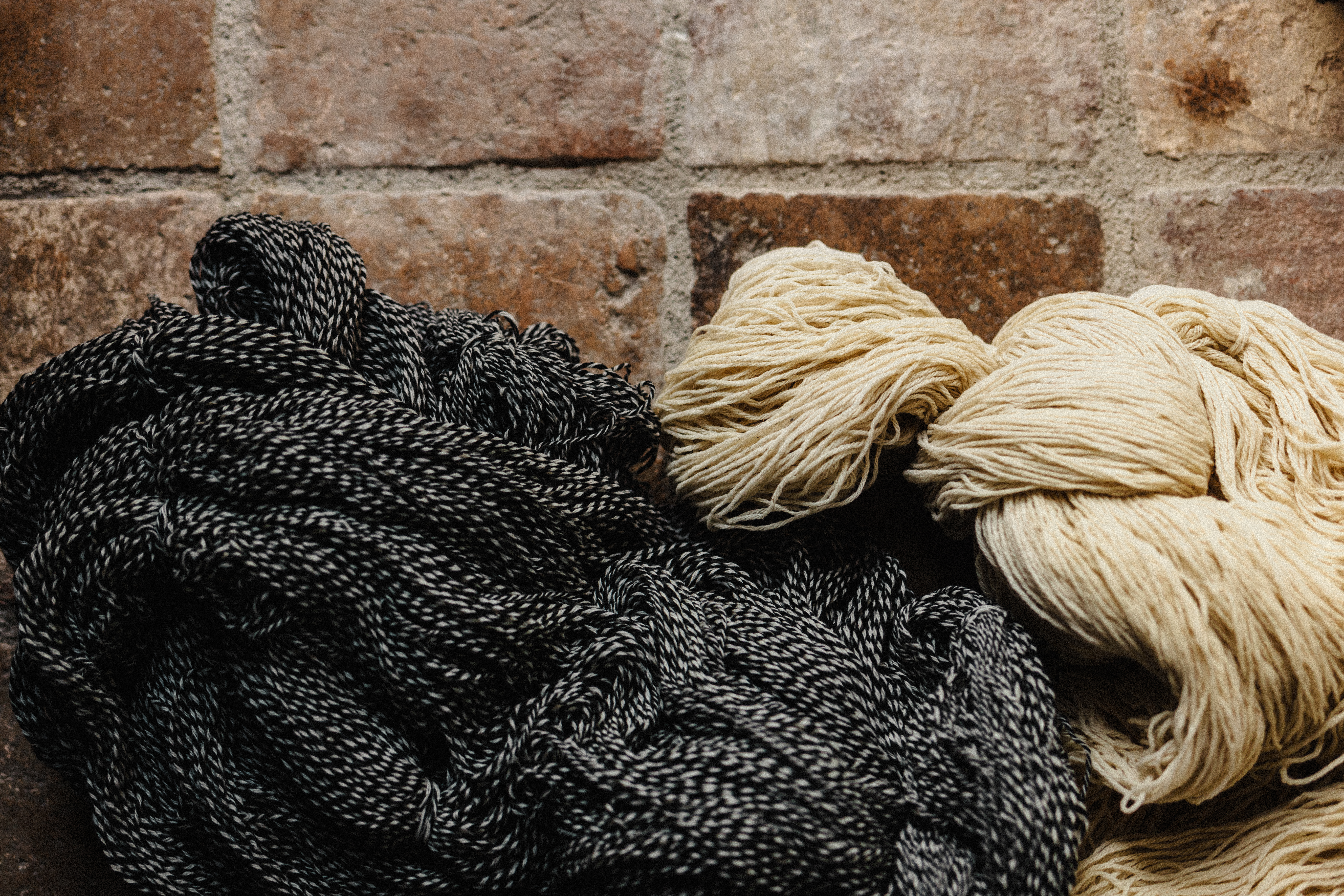
from 11 to 16 May, WOOL: Focus on animal-based raw materials, specifically Italian wool.
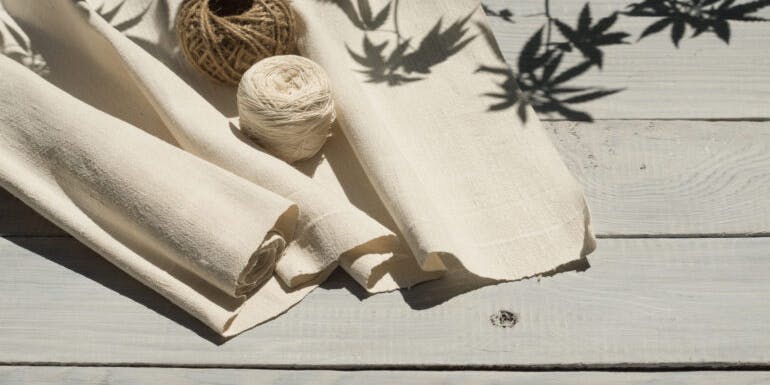
from 18 to 23 May, HEMP: Focus on plant-based raw materials, specifically hemp.
course length: 35 hours |
Schedule: 9:00 AM – 6:30 PM (Lunch break: 1:00–2:30 PM)
Location: Convento di Santa Maria delle Grazie, CALASCIO (AQ) - Via XI Febbraio, 1, 67020 Calascio AQ
Fees:
- Single module (Wool or Hemp): €300
- Both modules: €450
The tuition fee includes:
- Attendance to in-person lessons
- Course materials
- Light lunch
- Certificate of attendance
(The school has arranged an agreement with the course venue for accommodations. For further information, please contact the educational office)
With the contribution of the pilot project for cultural, social and economic regeneration ‘Rocca Calascio - Luce d'Abruzzo’, promoted by the Municipality of Calascio and selected by the Abruzzo Region under the Italy's National Recovery and Resilience Plan (PNRR) of the Ministry of Culture (Investment Line A – M1.C3 – Investment 2.1 – ‘Attractiveness of Historic Villages’), funded by the European Union – NextGenerationEU.
Required equipment/materials for students:
- Required: Stationery, laptop
- Provided by instructor: Fabrics, natural fibers, yarns
How to enroll for MASTERCLASS Sustainable Fashion Technologies - Scuola di Calascio
MASTERCLASS Sustainable Fashion Technologies
Designing for the Fashion System: Leveraging Local Resources
This masterclass teaches an ethically-driven design method to revolutionize fashion production systems, starting from regional assets – focusing on the WOOL and/or HEMP modules.
Through conscious design, participants will explore:
- Indigenous and traditional raw materials
- Constraints of industrial production systems
- Marketing and communication strategies to elevate rural contexts
Target Audience:
Primarily suited for those with foundational design or fashion knowledge, including:
- Students from technical/vocational schools, art high schools (liceo artistico), and art institutes
- University students in design and fashion disciplines
- Industry professionals seeking to integrate environmental sustainability into design and production processes
Course Program
Module 1: WOOL | May 11–16, 2026
- May 11–12: Native Natural Fibers: Reviving Local Wools
Instructor: Benedetta Morucci
History of wool, focusing on native and traditional wools of the Italian Peninsula. Exploring ways to reconnect local sheep farming with modern textile production while maintaining ties to the supply chain and territory. - May 13: Commodity Science: Nature, Industry, and Technical Constraints
Instructor: Antonio Mauro
Balancing technical requirements of electro-mechanized mass production with the ethical use of natural raw materials. - May 14: Design Tools: Rethinking the Fashion System
Instructor: Benedetta Morucci
Building a Made-in-Italy production system—from raw materials to consumer—using local resources. Examining traditional techniques/products, modern production, and bridging the disconnect between origin, materials, and final products. - May 15: Communicating the Project
Instructor: Presentosa Hub
Identifying unique strengths of a project/product and leveraging them for effective communication centered on territory, social growth, and quality.
Project Module
Starting Day 2, the final hour of each day is reserved for participants to develop a project concept for Saturday’s presentation.
Module 2: HEMP | May 18–23, 2026
- May 18: Design Tools: Rethinking the Fashion System
Instructor: Benedetta Morucci
Building a Made-in-Italy production system—from raw materials to consumer—using local resources. Examining traditional techniques/products, modern production, and bridging the disconnect between origin, materials, and final products. -
May 19-20: Rediscovering Hemp: An Ancient Fiber Looking to the Future – Lecturer: Cesarina di Domenico
The history of hemp and its significance in our local economy and weaving traditions, exploring its properties and potential in modern production. How to respect the technical constraints of modern manufacturing without compromising the ethical value of natural raw materials. -
May 21: Native Plant Fibers: The Relationship Between Nature, Product, and History – TBD
Understanding the historical importance of native plant fibers to develop products that are consistent with and regenerative for the local area and economy. -
May 22: Communicating the Project
Instructor: Presentosa Hub
Identifying unique strengths of a project/product and leveraging them for effective communication centered on territory, social growth, and quality.
# Saturday, May 16 & 23: Project Presentation Days