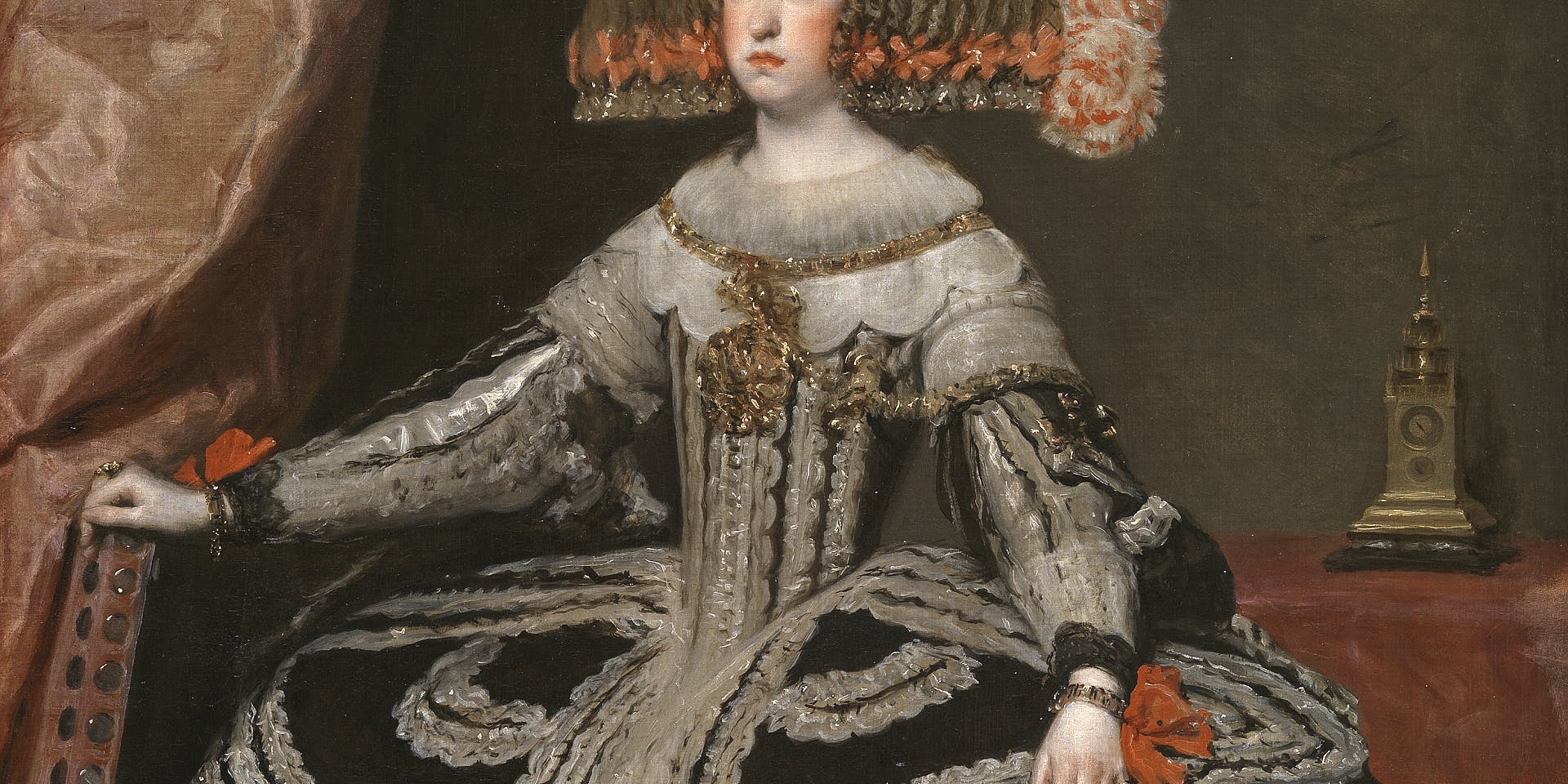
Velazquez
With great pleasure, we announce the upcoming opening of the exhibition 𝗩𝗲𝗹𝗮́𝘇𝗾𝘂𝗲𝘇 curated by the Accademia Carrara Bergamo and the Museo Nacional del Prado.
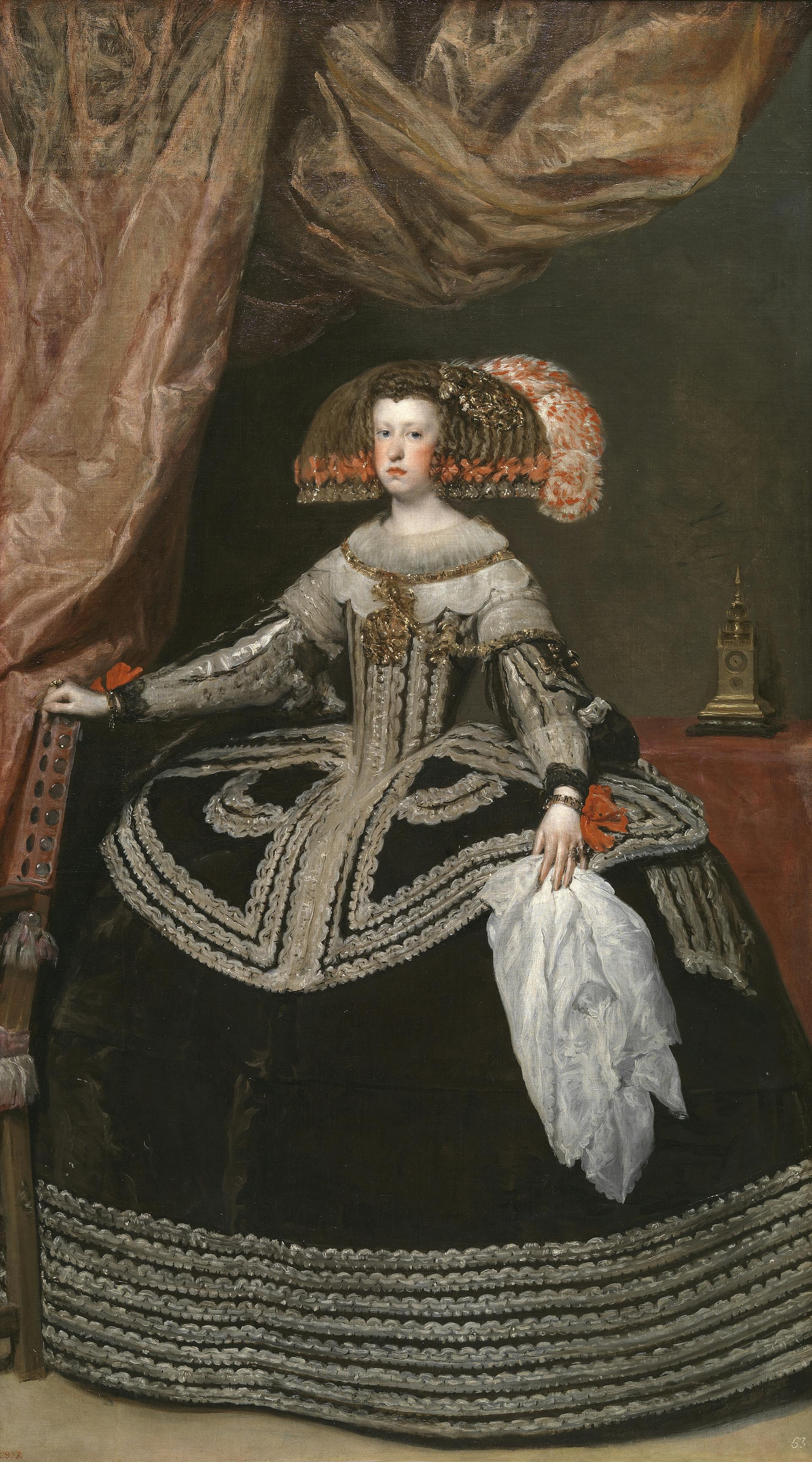
𝗙𝗿𝗼𝗺 𝟭𝟳 𝗝𝘂𝗻𝗲 𝘁𝗼 𝟮𝟴 𝗔𝘂𝗴𝘂𝘀𝘁 𝟮𝟬𝟮𝟮, visitors will have the opportunity to admire at the Accademia Carrara in Bergamo the superb Portrait of Queen Maria Anna of Austria, one of the last masterpieces by the “painter of painters” – according to Édouard Manet – Velázquez (1599-1660).
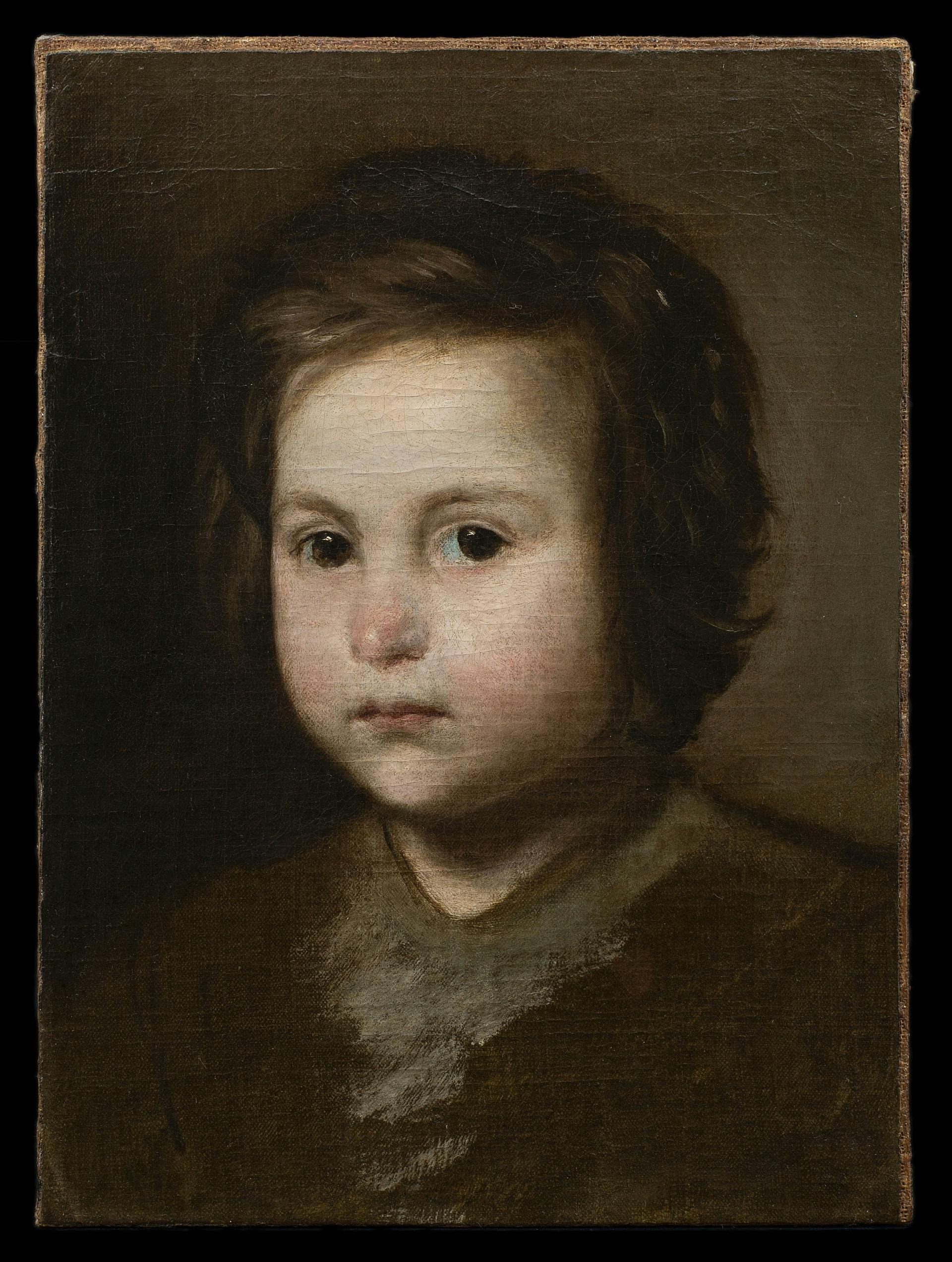
On the occasion of the exhibition, the Fondazione Arte della Seta Lisio, thanks to the scientific collaboration with the Accademia Carrara established in 2018, carried out an in-depth analysis of the clothing aspects in the portrait of the Queen of Spain and in the Portrait of a Young Boy (the Infante Balthasar Carlos?), attributed to Alonso Cano, from the Guglielmo Lochis Collection of the Accademia Carrara in Bergamo.
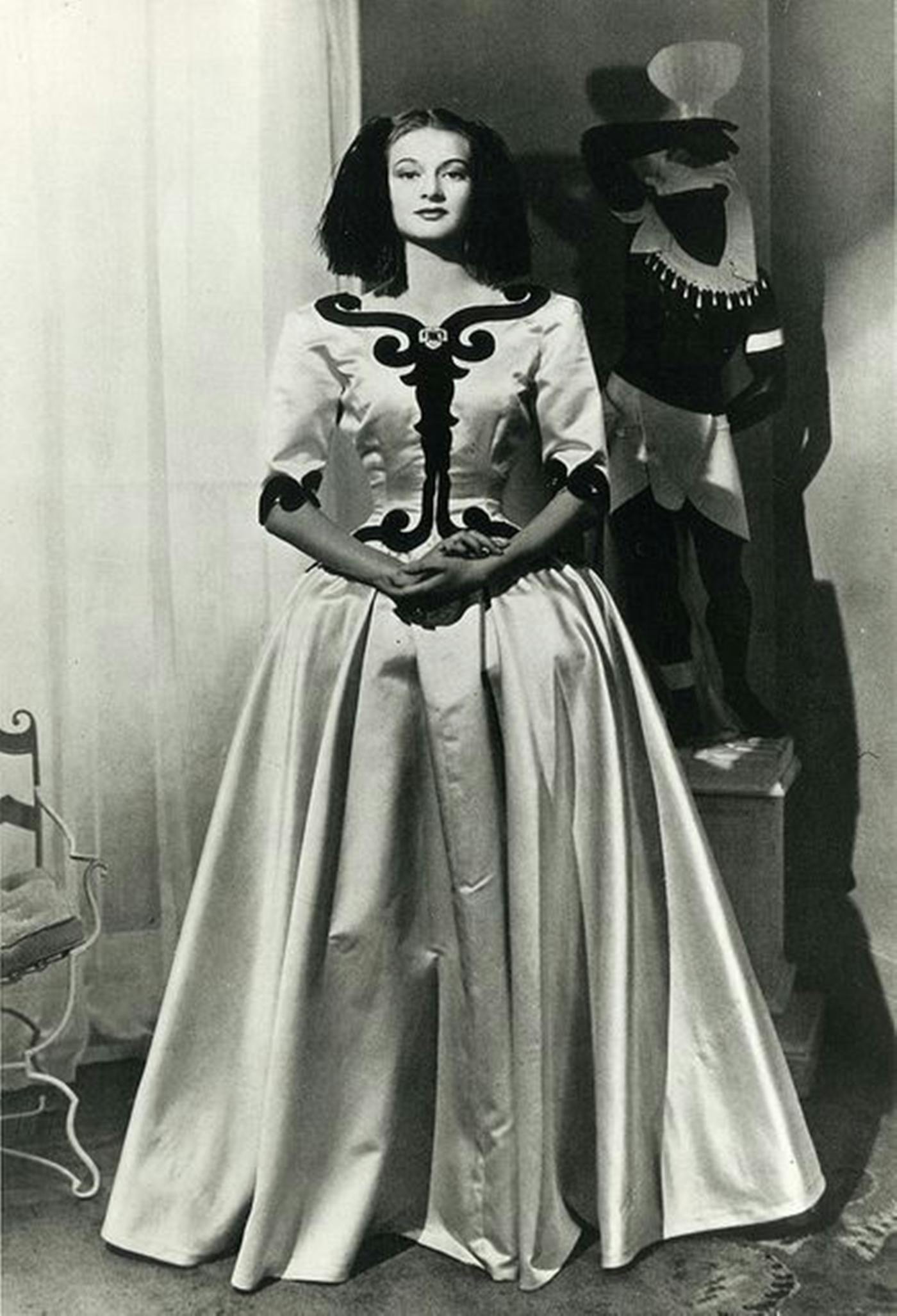
The study was curated by Gian Luca Bovenzi (textiles), Paola d'Alena (needlework techniques), Patrizia Lia (hairstyles), Chiara Maggioni (jewellery), Giorgio Re (contemporary fashion), and Alessio Francesco Palmieri-Marinoni (clothing aspects).
Our thanks go to the director Maria Cristina Rodeschini and to Paolo Plebani for their involvement in this important and prestigious project.
La Fondazione Lisio. Study and research
Curated by PAOLA MARABELLI
The scientific collaboration between the Fondazione Arte della Seta Lisio and the Accademia Carrara was born from a common denominator: culture.
Culture, meaning study, in-depth research, enhancement and promotion of our artistic heritage, of our roots, of everything that has been layered over the centuries to shape our civilization and our aesthetic taste. The Fondazione Lisio is an institution that celebrated its 50th anniversary in 2021 and brings together three interconnected identities, forming a unique reality of its kind: the Manufacture of fine textiles (founded in 1906), the School of Textile Arts, and the Study and Research Centre, established with the foundation of the institution in 1971.
Among the various activities of the cultural sector, relationships with museums, universities and institutions hold an important place, establishing synergies and joint projects through the signing of agreements.
Over the years, thanks to educational activities and research work, we have developed a constant relationship with professors, professionals and scholars who, through dialogue and exchange, on the one hand contribute to the education of younger generations through teaching that combines the transmission of theoretical aspects with practical experience in the workshops, for training that is as circular as possible; on the other hand, they carry out shared and transversal studies based on a constant foundation of interdisciplinarity.
These, therefore, are the premises that support the analyses developed by the Study and Research department of the Fondazione Lisio on works of art depicting people dressed according to the fashion of their time, carried out by the group of researcher-lecturers belonging to the educational and cultural fields.
Studying a work of art through a meticulous analysis that, in our case, includes clothing aspects consisting of garments, accessories, jewellery, hairstyles, weapons, as well as interior furnishing elements, means reflecting on the use of textiles, embroidery and lace, on styles and different garments, including underwear and structural supports, and on the components and details that shape the fashion of a specific era, made up of external influences and local characteristics specific to each area.
Through a work of art, much can be learned, first and foremost about the artist, their way of observing and reproducing reality, but also about prevailing taste and aesthetic trends, as well as economic and commercial aspects.
Therefore, this approach to the historical study of textile and tailoring arts, initiated by the Fondazione Lisio through artistic evidence examined in parallel with archival documentation and original examples, helps to better contextualize the depicted subjects and to focus more clearly on the work of an artist and the period in which they were active.